A wellness-focused hobby does not have the same effects for everyone; they depend on the person, the context and their expectations. Active artistic activities (creating, painting, dancing) and receptive activities (listening to music, contemplating a work of art) can both affect mental health, but they work in different ways, and their benefits are never guaranteed.
Performance anxiety and wellness hobbies: spotting the trap
A creative activity can cause stress rather than relieve it. This is especially true for people who take up a hobby with high expectations for what they will achieve.
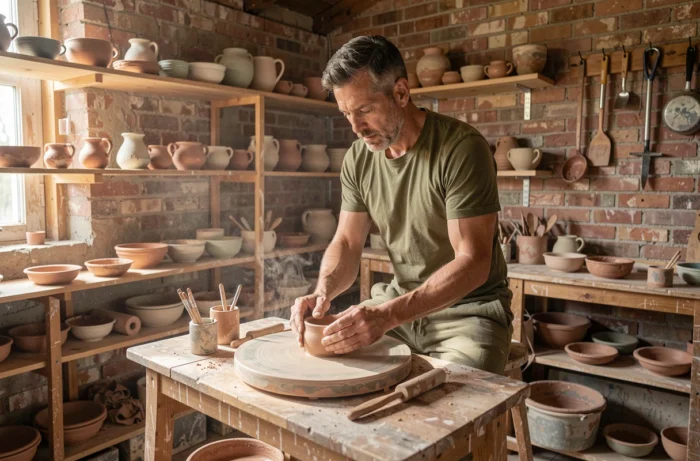
The mechanism is simple: turning a pottery workshop or yoga class into a personal competition undermines the very benefit you are seeking. The enjoyment disappears when the pressure to improve takes over. Instead of relaxing, you start judging yourself.
Three warning signs are worth paying attention to:
- You put off a session because you’re “not fit enough” to do it well, even though the activity is supposed to make you feel good.
- You constantly compare what you create with other participants’ work or online tutorials.
- After a session, you feel frustrated rather than relaxed and dwell on what went wrong.
When these signs appear, the answer is not to push yourself harder. Changing activities, cutting back on how often you do them or simply switching to a receptive format (listening, watching, strolling through an exhibition) is often enough to restore the benefits. A hobby that becomes an obligation to perform is no longer a hobby.
Receptive activities and contemplation: an underrated form of self-care
Self-care lists almost always focus on doing: knitting, cooking, painting, dancing. A receptive approach, by contrast, means taking the role of a spectator or listener. We find that this aspect remains underexplored in French-language wellness content. The ideas gathered in the hobbies section of Mon Blog Beauté illustrate the variety of active pursuits and more contemplative moments.
Visiting a museum, attending an acoustic concert in a small venue or watching a documentary on a subject that fascinates you: none of these activities requires any technical skill. Contemplation engages your attention without requiring you to produce anything. These receptive activities can have a positive effect on mood and overall well-being.
Recent initiatives are formalising the idea that an accompanied cultural outing can be a form of care in its own right. The group setting adds a social dimension that solo activities do not always provide.
Mix active and receptive activities from week to week
Alternating between formats helps prevent boredom and reduces the risk of falling into a performance spiral. One week, a painting workshop. The next, a gallery visit with no paintbrush in sight. Switching between roles (creator, spectator) keeps curiosity alive without creating a burdensome routine.
Beauty rituals and hobbies: where does self-care begin and end?
A long bath, a facial massage or a layering routine can be seen as both a hobby and a beauty ritual. The line between the two is blurred, and that is precisely what makes them valuable for overall well-being.
What changes the experience is being intentional about each action. Applying skincare while scrolling on a screen does not have the same effect as focusing on the textures, scents and sensations on your skin. Bringing mindfulness into beauty rituals can turn a mechanical routine into a genuine moment of disconnection.
Here are a few practical ways to put this approach into practice:
- Choose one skincare product or treatment to use each week without a screen, focusing on tactile and olfactory sensations for about ten minutes.
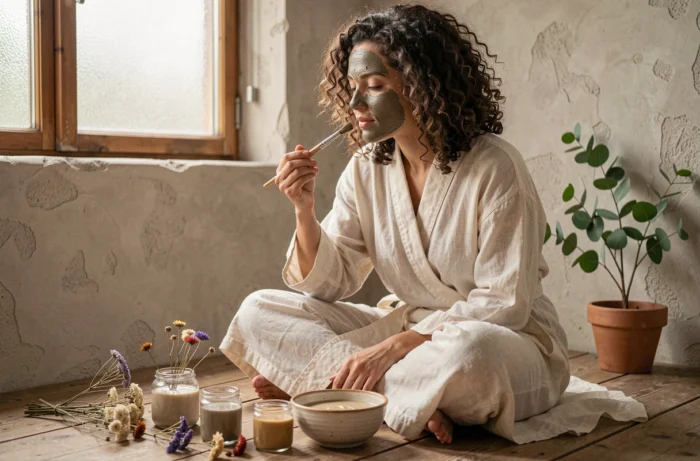
- Pair a beauty ritual with a receptive activity: apply a face mask while listening to a podcast or an album you have chosen for the occasion.
- Add a creative element to your routine, such as making your own scrub or balm from simple ingredients, to enjoy the act of making something without the pressure of a particular result.
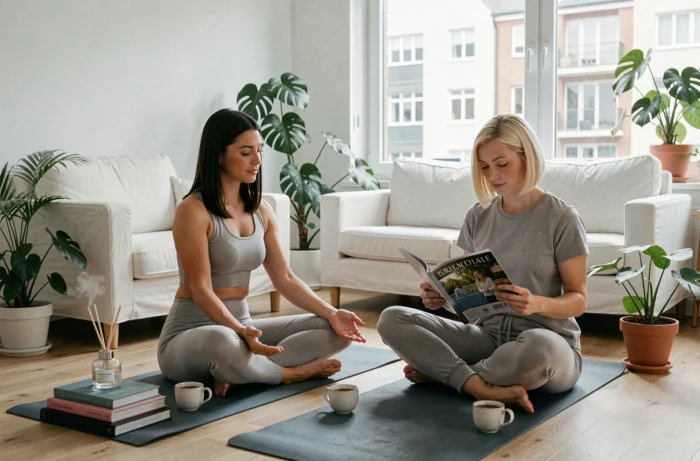
Group or solo activities: what difference does the format really make?
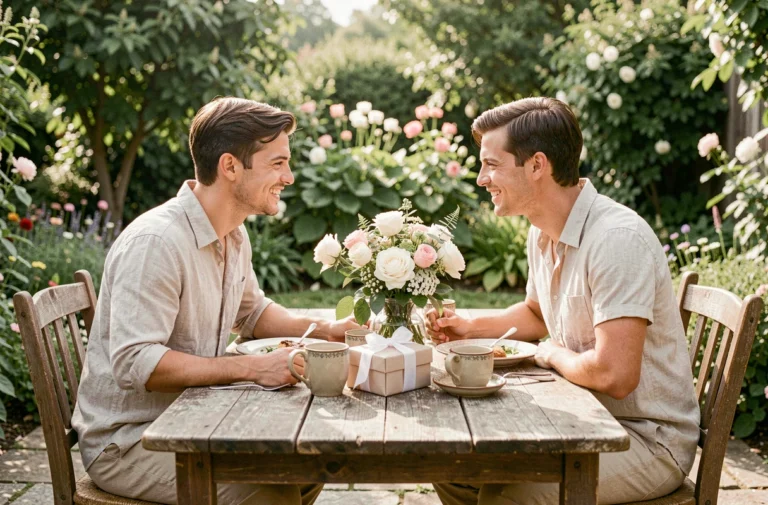
The social connection fostered by a regular workshop can matter just as much as the activity itself. Book clubs, dance classes and writing workshops create small communities where informal conversations before and after each session nurture a sense of belonging.
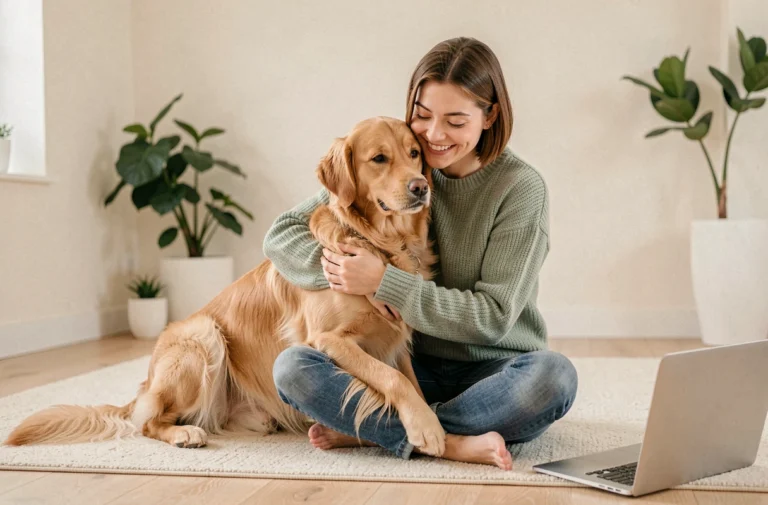
That said, solo activities have their own advantages. They remove the pressure to compare yourself with others, let you adjust the pace to your energy levels and give you complete freedom to choose what to do. An introverted person who forces themselves to join a group may end up repeating the same pattern of obligation described above.
Finding the right balance
The ideal format depends on what you need at the time, not on a universal rule. A period of social overload calls for a solo hobby. A spell of isolation may be eased by a group workshop. Choosing a format that suits how you feel, rather than giving in to pressure to socialise, remains the most reliable way to make sure the activity serves its purpose as a form of self-care.
Artistic activities can also be adapted to ageing and physical limitations. A gentle yoga class, a seated watercolour workshop or a neighbourhood choir: the barrier to entry can be very low if you separate enjoyment from the end result. The best wellness hobby is one you can enjoy without checking the time and leave wanting to come back to.